

PCD & Third Party Manufacturing in India: Benefits, Process, and Opportunities
- Iatric Pharmaceuticals
- 9 min read
Learn how PCD third party manufacturing in India helps entrepreneurs launch pharma brands with WHO-GMP quality, lower investment, and faster market entry.
India's pharmaceutical Industry has quietly become one of the most reliable engines for entrepreneurs who want to build a healthcare business. Every month, small and mid-sized distributors turn a modest investment into a full-fledged pharma company, backed by manufacturers who already meet WHO-GMP standards. This is the world of PCD third party manufacturing in India, a model where formulation, production, and quality control sit with an experienced manufacturer, while you focus on branding, sales, and territory growth.
If you're weighing whether this route makes sense for your business, this guide breaks down how the model actually works, what it costs you versus what it saves you, and where the real opportunities sit in 2026.
What Is Third-Party Pharma Manufacturing?
Third-party pharma manufacturing is a business arrangement in which a licensed pharmaceutical manufacturer produces medicines on behalf of another company or brand owner. The finished products are manufactured according to agreed specifications and marketed under the customer's own brand name.
A PCD pharma franchise can be combined with third-party manufacturing to create a business model in which franchise partners receive products, marketing support, and territory-based distribution rights, depending on the terms offered by the pharmaceutical company.
Instead of investing in a manufacturing plant, machinery, production staff, and extensive manufacturing infrastructure, an entrepreneur can work with an established third party pharma manufacturing company and concentrate on building the market.
This makes the model particularly attractive to:
- Pharma distributors and stockists
- Medical representatives and healthcare professionals
- Existing pharma businesses looking to expand their product range
- First-time entrepreneurs entering the pharmaceutical sector
- Businesses looking for private-label or contract manufacturing solutions
How the Process Actually Works
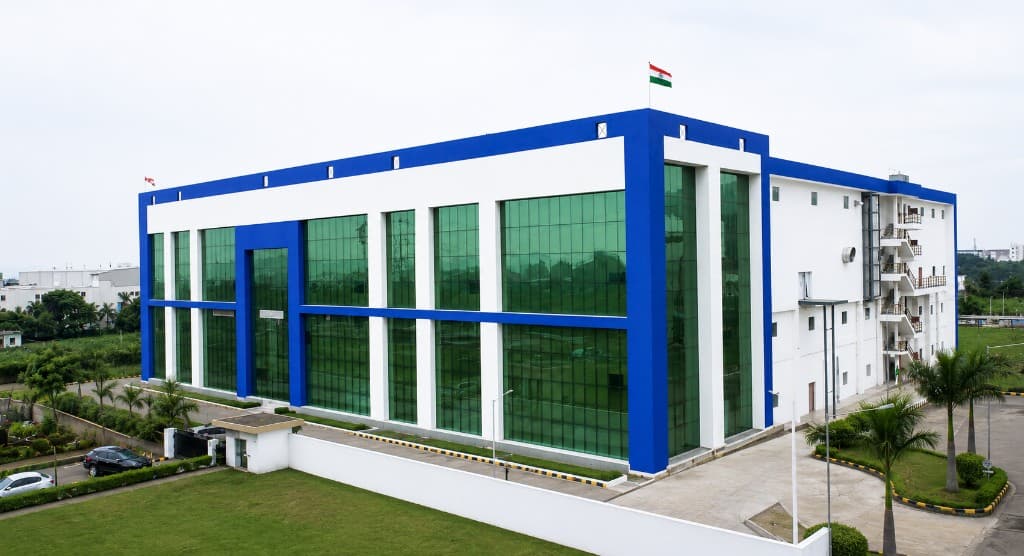
A genuine contract manufacturing partner won't just hand you a price list; they'll walk you through a defined production pipeline. At Iatric Pharmaceuticals, that pipeline looks like this:
- Conceptualisation: the product range, dosage forms, and therapeutic segments are finalised based on your target market.
- Formulation: R&D teams develop or adapt formulations that meet regulatory and stability requirements.
- Production: manufacturing takes place at WHO-GMP and ISO 9001 certified facilities using validated equipment and raw materials.
- Testing: batches go through quality control checks at every stage, from raw material to finished dosage.
- Packaging: products are packed under your brand name, with compliant labelling and batch documentation.
- Delivery: finished stock is dispatched to your warehouse or distribution point, ready for the market.
Each stage is documented, which matters later when you're dealing with drug inspectors, stockists, or hospital tenders that ask for traceability.
Key Benefits of Partnering With a Manufacturing Company
- Lower capital requirement: no plant, no machinery, no manufacturing license to apply for.
- Faster market entry: a franchise pharma business model can go live in weeks instead of the year-plus it takes to build a compliant facility from scratch.
- Access to certified infrastructure: your products carry the same WHO-GMP and ISO backing as large pharma companies, even at low order volumes.
- Monopoly territory rights: most PCD pharma franchise agreements give you exclusive selling rights in a defined district or state.
- Wider product range, sooner: instead of manufacturing one dosage form, you can list tablets, capsules, syrups, injectables, and ointments under one umbrella brand.
- Reduced regulatory burden: compliance, batch records, and audits are handled by the manufacturing partner, not you.
- Better margins on scale: bulk production economics bring per-unit costs down as your order volumes grow.
Where Are the Opportunities in India's Pharma Market?
India's contract manufacturing landscape is concentrated but far from saturated. Himachal Pradesh's Baddi-Barotiwala-Nalagarh belt alone hosts several hundred pharmaceutical manufacturing units and accounts for a significant share of the country's total drug formulation output proof of how deep the manufacturing capacity runs, even in tier-2 industrial towns.
The opportunity isn't limited to metro cities. Tier-2 and tier-3 markets in Punjab, Haryana, Uttar Pradesh, and Rajasthan remain under-served by branded generics, making them attractive territories for a new PCD pharma franchise. Chronic therapy segments cardiac, diabetic, orthopaedic, and gynaecological ranges show consistent prescription growth, and a manufacturing partner with a broad therapeutic portfolio lets you enter several categories at once instead of betting on one product line.
Common Mistakes Franchise Owners Make
- Choosing on price alone: the cheapest quote often means unverified certifications or unreliable batch timelines.
- Skipping facility verification: not every manufacturer with a website is WHO-GMP certified; ask for documentation, not claims.
- Ignoring minimum order quantities: an MOQ that doesn't match your territory's demand ties up capital in unsold stock.
- Overlooking promotional support: visual aids, samples, and marketing material matter as much as the product itself in a PCD model.
- Not checking product range depth: a partner limited to two or three dosage forms will slow down your expansion later.
One pattern shows up consistently across distributors and first-time franchise owners: the businesses that grow fastest aren't the ones that negotiated the lowest per-strip price, they're the ones that picked a manufacturer with consistent batch quality and honest delivery timelines from day one. A price gap of a few rupees per unit rarely matters after year one; a missed delivery during a stockist's peak season does.
Why Pharma Entrepreneurs Partner With Iatric Pharmaceuticals

Iatric Pharmaceuticals offers pharmaceutical manufacturing solutions for businesses looking to develop and market their own product range. It runs a dedicated Contract Manufacturing division built around WHO-GMP and ISO 9001 certified production. Its Manufacturing associates operate majorly from Baddi, Himachal Pradesh.
The company offers manufacturing support across multiple product categories and dosage forms, subject to product and manufacturing requirements. Its broader pharmaceutical business also includes Ethical Pharma and Marketing Associates divisions.
For entrepreneurs evaluating a PCD third party manufacturing partner, factors such as product quality, regulatory documentation, manufacturing capabilities, communication, packaging support, and delivery reliability can be important when selecting a long-term partner.
To discuss your product requirements, portfolio, and manufacturing options, you can contact Iatric Pharmaceuticals.
Final Thoughts
PCD third party manufacturing in India provides a practical way for entrepreneurs and pharmaceutical businesses to enter or expand in the pharma market without establishing their own manufacturing facility.
However, choosing the right manufacturing partner is critical. Instead of comparing companies only on price, evaluate their manufacturing capabilities, quality systems, certifications, documentation, product portfolio, MOQ, and delivery timelines.
The right partnership can allow you to focus more effectively on branding, sales, doctor relationships, distribution, and territory growth, while an experienced manufacturer manages the production side of the business.
If you're evaluating a contract manufacturing partner for your next pharmaceutical product range, look for a company that can provide relevant certifications, manufacturing documentation, product information, and a clear production timeline.
FAQs
What is the minimum investment needed to start a PCD pharma franchise in India?+
Investment varies by manufacturer and product range, but most franchise arrangements start well below what a self-owned manufacturing unit would require, since there's no plant or machinery cost involved.
Is third-party manufacturing the same as a PCD franchise?+
Not exactly. Third-party manufacturing refers to the production arrangement itself, while a PCD franchise adds monopoly territory rights and marketing support on top of that manufacturing relationship.
How do I verify if a manufacturing company is genuinely WHO-GMP certified?+
Ask for the certificate directly and cross-check the manufacturing license number with the relevant state drug control authority; a legitimate partner will provide this without pushback.
Can I get products in multiple dosage forms from one manufacturing partner?+
Yes, provided the manufacturer's facility is equipped and licensed for those specific dosage forms this is worth confirming before you finalise your product list.
How long does it take to launch products under a contract manufacturing arrangement?+
Timelines depend on formulation complexity, but most standard product ranges can move from agreement to first delivery within a couple of months.
Do I need any pharmaceutical background to start this kind of business?+
A pharma qualification is preferred but not necessarily required for every business role or franchise arrangement. However, applicable licences, regulatory requirements, and the responsibilities of the business should be understood before starting the business.
Your Health is Our Top Priority
The value of health insurance is not only financial; it's also about peace of mind.
Learn More