Launch Your Own Pain Relief Brand With a Trusted Pain Reliever Manufacturer
- Iatric Pharmaceuticals
- 11 min read
Learn how to launch your own pain relief brand in India with a trusted WHO-GMP pain reliever manufacturer — product types, step-by-step process, and common mistakes to avoid.
Back pain, joint pain, post-injury pain, headaches. Almost every Indian household keeps something in the cupboard for them. That is exactly why the pain management segment is one of the most dependable categories in pharma. Demand does not disappear in a slow season. It does not depend on a trend either.
The real question for a new entrepreneur is how to enter this market without building a factory. The answer is simple: launch your own pain relief brand with a trusted pain reliever manufacturer. The manufacturer handles formulation, production, testing and packing. You handle the brand, the doctors, the distribution and the growth.
This guide explains how that works, what to check before signing, and how to avoid the mistakes that cost new brand owners the most money.
What Is a Pain Reliever Manufacturer?
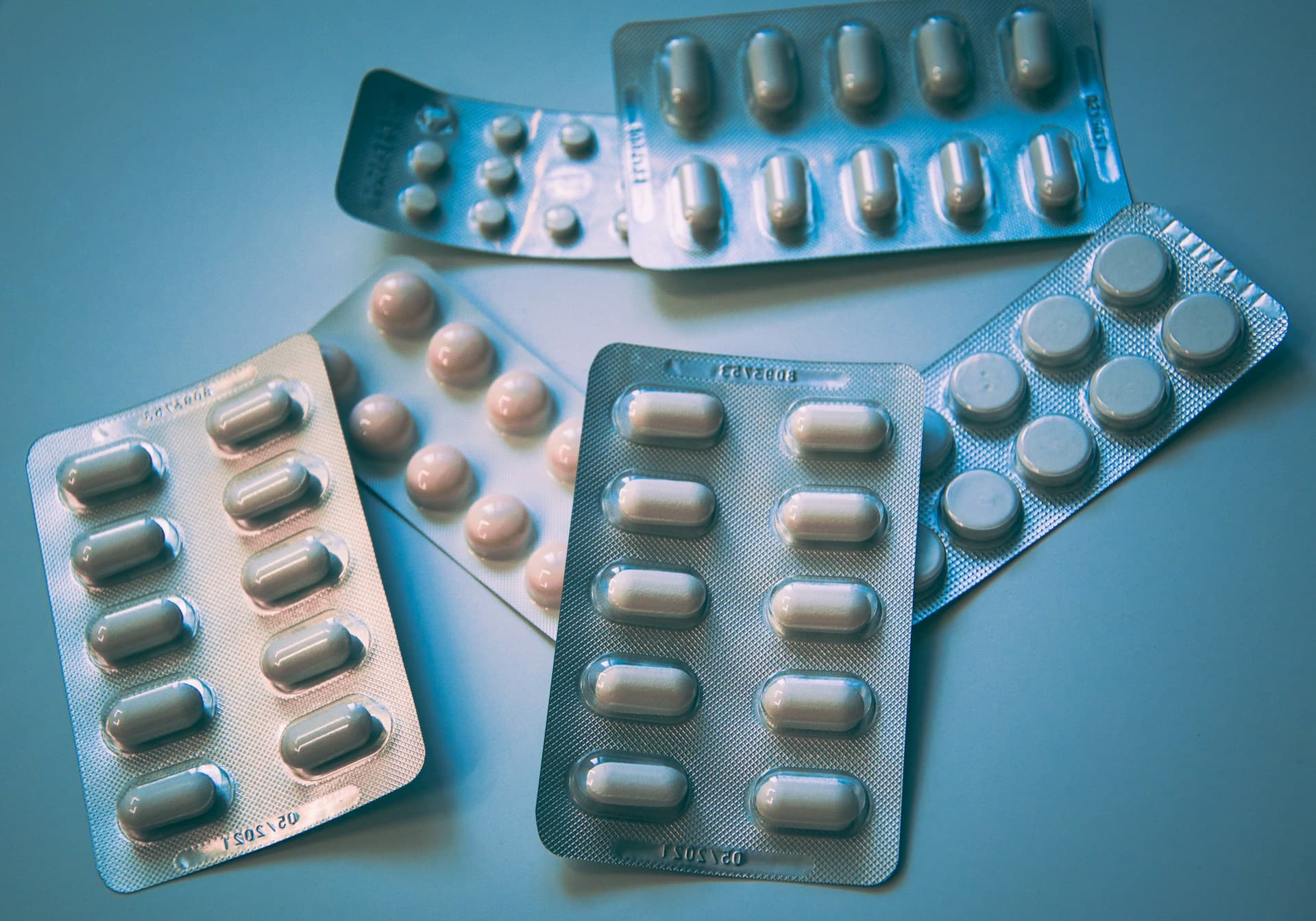
A pain reliever manufacturer is a licensed pharmaceutical company that produces analgesic and anti-inflammatory medicines (tablets, capsules, suspensions, gels and sprays) on behalf of another brand owner. The finished product is packed under the brand owner’s name, with the brand owner’s labelling, and sold in the territory they choose.
You do not need a plant, machinery or a production team. You get access to certified infrastructure, and the manufacturer carries the compliance load on the production side. This arrangement is the core of third party pharma manufacturing in India, and it is how many of today’s pharma brands started.
Why the Pain Relief Segment Is Worth Entering
Pain is one of the most common reasons a patient walks into a clinic. Orthopaedic consultations, sports injuries, sedentary lifestyles and an ageing population keep the demand steady.
Here is what makes the segment attractive for new brand owners:
- Repeat prescriptions. Musculoskeletal and chronic pain conditions bring patients back again and again.
- Wide doctor base. Orthopaedic surgeons, general physicians, physiotherapists, gynaecologists and dentists all prescribe analgesics.
- Multiple formats. One category gives you tablets, suspensions, topical gels and sprays, so one brand can grow into a full range.
- Year-round demand. Unlike seasonal categories, pain does not follow a calendar.
Types of Pain Relief Products You Can Launch
Before you contact any manufacturer, decide what range you want to start with. Most new brands begin with two or three products and expand.
- Oral analgesic tablets. These are the backbone of most ranges. Combinations of an NSAID with paracetamol are widely prescribed. Iatric’s own Itrogesic-CT is an example: it combines Aceclofenac 100 mg, Paracetamol 325 mg and Trypsin Chymotrypsin in an analgesic and anti-inflammatory formulation.
- Pain relief suspensions and syrups. Useful for paediatric and geriatric patients who find tablets difficult.
- Topical gels, creams and sprays. Popular for localised muscle and joint pain. A topical range also fits well with a derma or ortho-focused brand.
- Supportive products. Many pain brands add calcium, vitamin D3, vitamin K2 or neuro-nutrient products to build a complete musculoskeletal range for doctors.
You can browse the full list of formulations Iatric already offers on its products page, which is a useful reference when you plan your own portfolio.
How to Launch Your Own Pain Relief Brand: Step by Step
Step 1: Define Your Product Range and Market
Start with your territory and your target doctors. A brand aimed at orthopaedic specialists needs a different range than one aimed at general physicians. Choose dosage forms and compositions based on what is actually prescribed in your area.
Step 2: Choose a Manufacturer With Verified Credentials
This is the decision that shapes everything else. Look for WHO-GMP and ISO 9001 certified production, valid licences and a clear documentation process. Read more about what to verify on Iatric’s quality assurance page.
Step 3: Finalise Formulations
Your manufacturer’s R&D team can develop or adapt formulations that meet regulatory and stability requirements. Ask for the composition, strengths and shelf-life data in writing.
Step 4: Design Your Brand, Packaging and Labelling
Your brand name, logo, carton design and label content all need to comply with applicable regulations. Good packaging also builds trust with doctors and chemists. A confusing or crowded label can hurt a new brand.
Step 5: Production and Quality Testing
Batches should be tested at every stage, from raw material to finished dosage form. Ask for batch records and certificates of analysis. Reliable partners provide them without hesitation.
Step 6: Delivery and Launch
Finished stock is dispatched to your warehouse or distribution point. Plan your launch around your visual aids, doctor visits and stockist network so product reaches the market with support behind it.
Iatric’s production pipeline follows the same logic: conceptualisation, formulation, production, testing, packaging and delivery. You can see how this works on the contract manufacturing page.
What to Check Before Choosing a Pain Reliever Manufacturer
Price matters, but it should never be the first filter. Here is a practical checklist.
Common Mistakes New Brand Owners Make
- Choosing on price alone. The cheapest quote often hides unverified certifications, slow batches or inconsistent quality. A saving of a few rupees per strip disappears the first time a delivery is late.
- Skipping facility verification. Not every company with a website is WHO-GMP certified. Ask for documents, not promises.
- Ignoring MOQ. A minimum order that does not match your territory’s demand will lock up your working capital.
- Launching too many products at once. Start with a focused range, build doctor trust, then expand.
- Overlooking promotional support. In pharma, visual aids, samples and marketing material matter almost as much as the formulation.
- Ignoring regulatory requirements for combinations. Some analgesic combinations need specific approvals. Confirm with your manufacturer that each composition you choose is permitted for sale in India before you commit to a batch.
Third Party Manufacturing vs PCD Franchise for Pain Relief
These two models are often confused, so here is the difference.
Third party manufacturing means a manufacturer produces medicines under your brand name. You own the brand identity and decide the product list.
A PCD pharma franchise means you market the manufacturer’s existing brands in an agreed territory, usually with exclusive rights, plus marketing support.
Both are valid. If you want full brand ownership and long-term equity, third party manufacturing suits you. If you want a faster, lower-risk start with ready brands, a PCD franchise may be a better first step. You can read a detailed comparison in our guide to PCD and third party manufacturing in India.
Many successful companies begin with one model and add the other as they grow.
How Iatric Pharmaceuticals Supports Pain Relief Brand Owners

Iatric Pharmaceuticals is an Indian pharmaceutical company with over a decade of experience across multiple therapeutic segments. Its Ethical Pharma division focuses on CNS, GI, musculoskeletal and OB-GYN categories, which makes the company a natural fit for analgesic and anti-inflammatory products.
Here is what you get when you partner with Iatric:
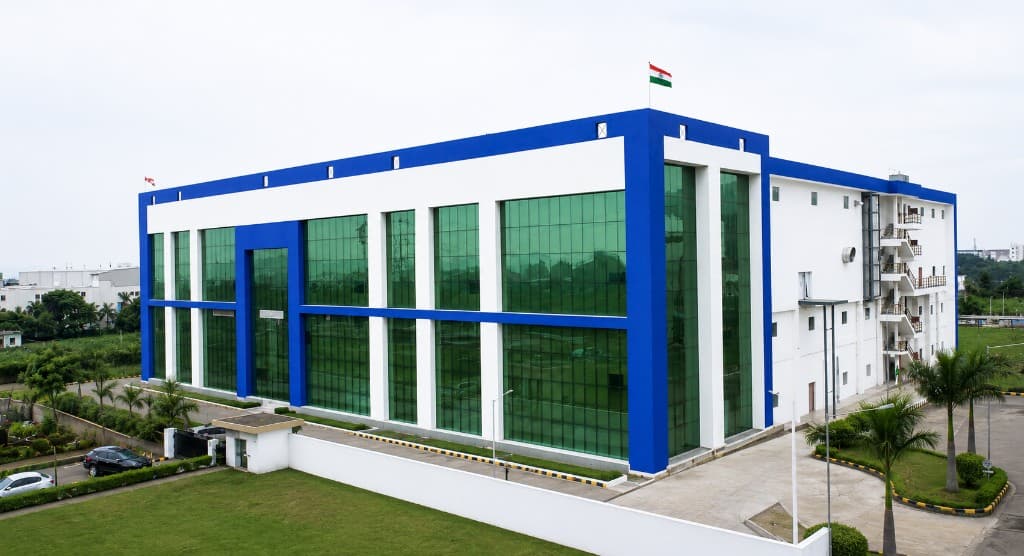
- WHO-GMP and ISO 9001 certified manufacturing through its network of partner facilities, majorly based in Baddi, Himachal Pradesh
- Wide dosage form coverage: tablets, capsules, injectables, liquids, ointments and nutraceuticals
- Regulatory documentation support to help you stay inspection-ready
- Scalable batch manufacturing that grows with your business
- Packaging under your own brand with compliant labelling
- Flexible models: you can work through contract manufacturing or the Marketing Associates division, depending on how you want to build
If you want to explore how a manufacturing partner thinks about quality, read our blog on ethical pharma companies in Chandigarh. For topical and skin-focused extensions to a pain range, see our guide to derma manufacturing in India. If migraines or headaches are part of your target segment, our patient-focused article on things to do when suffering from migraines shows the kind of information doctors and patients look for.
Final Thoughts
A pain relief brand can be a strong, long-term business, and you do not need your own factory to build one. What you need is a clear product range, a defined territory, and a manufacturer who treats quality as a system rather than a slogan.
Evaluate certifications, documentation, MOQ, product range and delivery reliability before you compare prices. The brands that grow fastest are rarely the ones that negotiated the lowest rate. They are the ones that picked a partner with consistent batch quality and honest timelines from day one.
Ready to start? Contact Iatric Pharmaceuticals to discuss your product range, manufacturing options and launch plan with our team. You can also call +91-62845-05020 or email support@iatricpharma.com.
FAQs
How do I launch my own pain relief brand in India?+
Define your product range and territory, choose a certified pain reliever manufacturer, finalise formulations, design compliant packaging, and place your first batch order. Many brand owners complete this within a couple of months, depending on formulation and packaging.
Do I need my own manufacturing licence to start?+
Not for third party manufacturing. The manufacturer produces under its own licence. You still need to meet the licensing and regulatory requirements that apply to marketing and distributing medicines in your state.
What types of pain relief products can I manufacture under my brand?+
Common options include analgesic tablets, suspensions, topical gels and sprays, and supportive musculoskeletal products. The exact range depends on the manufacturer’s licensed dosage forms.
How do I verify that a manufacturer is WHO-GMP certified?+
Ask for the certificate directly and cross-check the manufacturing licence number with the state drug control authority. A genuine manufacturer will provide documents without pushback.
What is the difference between third party manufacturing and a PCD franchise?+
Third party manufacturing means products are made under your own brand. A PCD franchise means you market the manufacturer’s brands in an exclusive territory. See our PCD and third party manufacturing guide for details.
Your Health is Our Top Priority
The value of health insurance is not only financial; it's also about peace of mind.
Learn More